


Keeping your boat hull free from barnacles, algae, and other marine growth is important for good performance, fuel efficiency, and handling. Can an eco-friendly boat hull protector help with this? Many boat owners have used antifouling paints for years. While these coatings can be effective, they often contain biocides that are released into the water and may harm marine life.
As awareness of environmental issues grows, more boat owners are looking for cleaner ways to protect their vessels. An eco-friendly boat hull protector offers an effective alternative to traditional antifouling paint. Instead of relying on toxic chemicals, these systems help prevent marine growth through physical or electrical methods. Options are now available for a wide range of boat types, sizes, and boating habits.
This guide explains the main types of eco-friendly boat hull protector solutions, their environmental benefits, and how they compare with conventional antifouling paints.
Why Traditional Antifouling Paint Is a Problem
Traditional antifouling paints work by releasing chemicals that stop marine organisms from attaching to the hull. Although this method can reduce fouling, some of these chemicals enter the surrounding water. Over time, they can affect marine life and build up in seabed sediments.
Because of these concerns, many countries have introduced tighter rules on certain antifouling ingredients, including copper-based products. This has encouraged more boat owners to consider an eco-friendly boat hull protector as a safer and more sustainable option.
An eco-friendly boat hull protector works without releasing harmful substances into the water. Depending on the system, it may use a physical barrier or electronic technology to reduce fouling. This helps protect local marine environments while reducing the need for regular hull cleaning and repainting. In the long term, an eco-friendly boat hull protector can also help save time and lower maintenance costs.
This version improves readability, reduces sentence complexity, keeps the primary keyword prominent, and should score closer to the 60 to 70 readability range.
Types of Eco-Friendly Hull Protection
There are three main types of eco-friendly boat hull protector solutions: physical barrier systems, electrolysis systems, and non-toxic coatings. Each uses a different method to reduce marine growth and comes with its own installation and maintenance requirements.
Physical Barrier Systems
Physical barrier systems create a layer between the hull and the water. This prevents barnacles, algae, and other marine organisms from attaching to the boat.
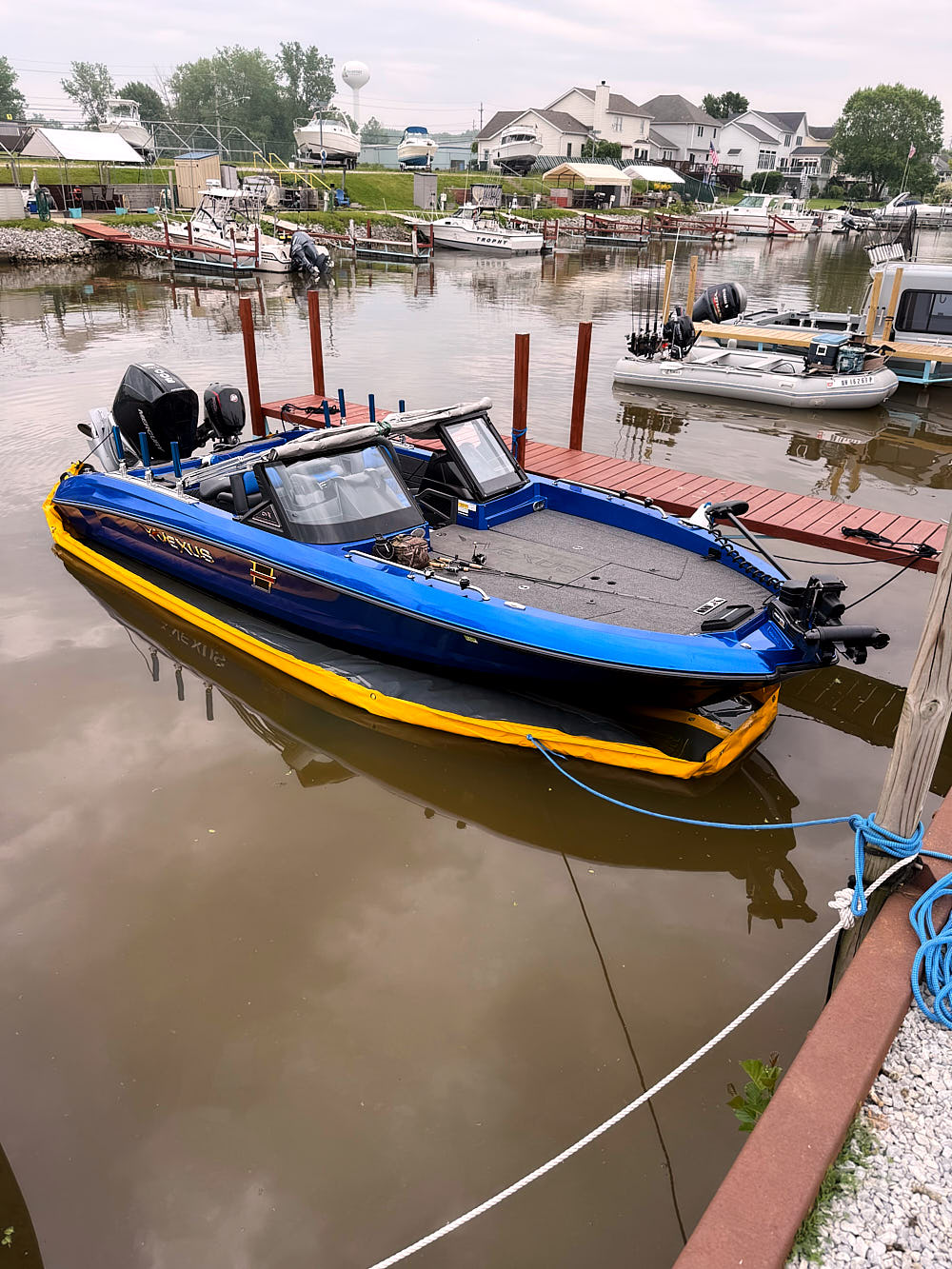
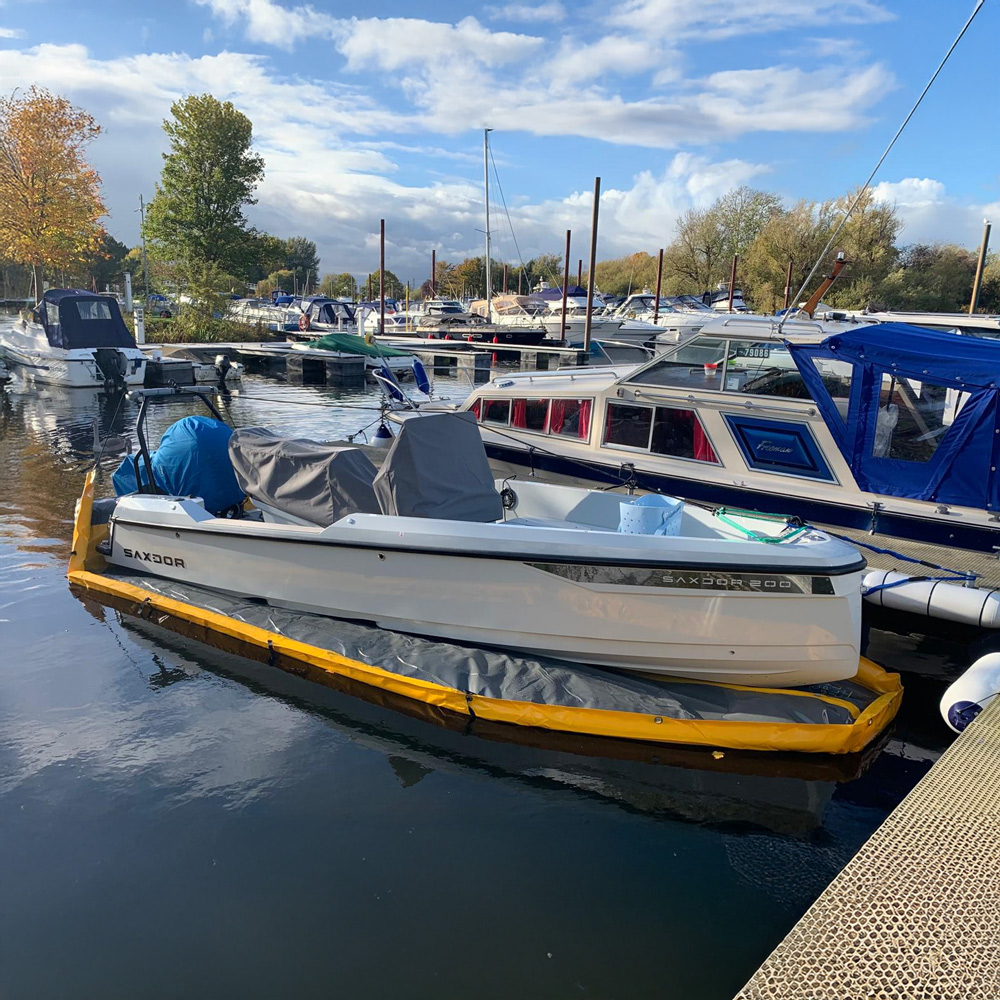
The Happy Hull boat dock and hull protector is a floating, heavy-duty cover that uses a patent-pending mooring system to hold the barrier against the hull. It is designed as a direct alternative to toxic antifouling paint and helps keep the hull clean without releasing chemicals into the water.
ProtecMarineNC uses a similar approach. Its system isolates the hull from the surrounding water while the boat is moored, helping to prevent marine growth from taking hold. When the boat returns to harbour, the hull remains clean and dry.
A major benefit of this type of eco-friendly boat hull protector is that it requires no external power. Most systems can also be installed without dry-docking, making them a practical choice for many boat owners.
It is important to note that some products sold as keel protectors are designed for a different purpose. Products such as KeelGuard and XMK Boat Keel Guard Protector help protect against scrapes and impact damage from ramps, beaches, and trailers. While they provide some physical protection, they are not designed to prevent biofouling.
Electrolysis Systems
Electrolysis systems use low-voltage electricity to create a protective field around the hull. This field helps discourage marine organisms from settling on the boat without the use of chemicals.
The Hull Shield HD4 is a well-known example. It connects to a 12V or 24V power supply and generates an electrical field around the hull. This provides a biocide-free way to reduce fouling in certain conditions.
An electrolysis-based eco-friendly boat hull protector can often be installed without dry-docking. However, it does require a continuous power source and regular system checks. Boat owners should also consider ongoing power consumption when comparing options.
Non-Toxic Coatings
Non-toxic foul-release coatings work by creating a smooth, slippery surface that makes it difficult for marine growth to attach.
Silicone-based products such as Hempel's Silic One use a combination of silicone and hydrogel technology to form a biocide-free protective layer. These coatings can provide protection for several years before reapplication is needed.
Finsulate is another example of an eco-friendly boat hull protector. It uses a durable surface layer that helps prevent biofouling while also protecting the hull from moisture.
Unlike traditional antifouling paints, these coatings do not rely on toxic heavy metals. However, they usually require dry-docking for application. This can increase upfront costs and may result in additional downtime compared with some other eco-friendly hull protection systems.
Category |
Examples |
Installation |
Power Required |
Dry-Docking Needed |
Typical Lifespan |
|---|---|---|---|---|---|
Physical Barriers (fouling prevention) |
Happy Hull |
Can be done afloat; no special tools |
None |
No |
15+ years |
Electrolysis Systems |
Hull Shield HD4 |
Adhesive mounting; requires power connection |
12V or 24V battery/external source |
Not usually required |
Depends on unit and anode life |
Non-Toxic Coatings |
Hempel Silic One, Finsulate |
Painted on; professional application recommended |
None |
Yes |
2+ years (silicone-based) |
Environmental Benefits of Eco-Friendly Hull Protectors
Choosing an eco-friendly boat hull protector can significantly reduce the environmental impact of boat ownership. Unlike traditional antifouling paints, these systems do not rely on toxic biocides that slowly leach into the water. This helps protect fish, shellfish, and other marine life from unnecessary chemical exposure.
A cleaner hull also means less maintenance. Because an eco-friendly boat hull protector helps prevent marine growth from building up, boat owners often need fewer hull cleans and less aggressive maintenance. This can reduce the use of harsh cleaning products and limit pollutants released during high-pressure washing.
Many forms of eco-friendly boat hull protector can also improve vessel efficiency. A smooth, clean hull creates less drag in the water, which can help reduce fuel consumption and lower emissions. Some solutions provide additional benefits beyond fouling prevention. For example, Finsulate helps protect the hull from moisture while supporting long-term hull integrity, and Hempel's Silic One provides a completely biocide-free coating solution.
Another important benefit is the reduction of invasive species transfer. Marine growth attached to a hull can carry non-native organisms from one location to another. By preventing these organisms from attaching in the first place, an eco-friendly boat hull protector helps reduce the risk of spreading invasive species between waterways and harbours.
Environmental organisations are also recognising the value of sustainable hull protection. The Green Blue, a UK charity that promotes environmentally responsible boating, has included Happy Hull in its green business directory. This recognition highlights the growing role that eco-friendly boat hull protector solutions can play in reducing the environmental impact of recreational boating.
How to Choose the Right Eco Friendly Boat Hull Protector
Selecting the best eco-friendly boat hull protector depends on your boat type, mooring arrangement, and personal preferences. The table above gives a quick comparison, but here are a few practical considerations.
Consider Your Boating Habits
If your boat remains in the water for extended periods, a physical barrier or a non-toxic coating may be most appropriate. For vessels that are frequently trailered or lifted out, a physical barrier that can be deployed and removed easily might suit better. Also think about how often you are willing to perform maintenance. Physical barriers generally require very little ongoing attention, whereas coatings may need reapplication annually.
Installation and Maintenance
One of the biggest differences between the types is whether dry-docking is required. Physical barrier products like Happy Hull can be installed without hauling the boat out of the water, saving time and expense. Electrolysis systems also avoid dry-docking. In contrast, silicone-based foul-release coatings need the hull to be clean and dry for proper application, which usually means a trip to the boatyard. For many owners, the ability to fit a protector while the boat is at the dock is a significant advantage. None of the physical barrier or electrolysis options listed require external power, with the exception of Hull Shield HD4, which uses a 12V or 24V supply.
Frequently Asked Questions
Are eco-friendly boat hull protectors as effective as traditional paint?
Effectiveness can vary by product and water conditions. Physical barriers and electrolysis systems have proven successful for many boaters, and non-toxic coatings like Hempel Silic One offer professional-grade foul release. While no solution is 100% perfect in all environments, these alternatives provide reliable protection without the environmental cost of biocides.
How long does an eco-friendly boat hull protector last?
For non-toxic silicone coatings, a lifespan of five years or more is common before reapplication. Physical barrier products vary; some are designed to last for several seasons with proper care. The Hull Shield HD4 electrolysis system depends on the longevity of its components and the power supply. Check the manufacturer's guidance for specific durability claims.
Can I install an eco-friendly hull protector myself?
Yes, many products are designed for DIY installation. Floating barriers such as Happy Hull often require no specialist tools or experience. Silicone paints are best applied by professionals due to surface preparation needs, but physical barriers and electrolysis systems are generally straightforward for a competent owner to fit.
Do these protectors work on all boat hull materials?
Physical barriers are typically compatible with fibreglass, aluminium, and steel hulls. Electrolysis systems may need to be tuned for different hull materials. Always verify with the product manufacturer that the protector is suitable for your specific hull type.
Choosing an eco-friendly boat hull protector is a practical step towards more sustainable boating. By eliminating toxic anti-foul paints, reducing chemical runoff, and keeping your hull in top condition, you protect both your vessel and the waters you enjoy. Whether you opt for a floating barrier, an electrical system, or a biocide-free coating, the range of options makes it easier than ever to go green without compromising on performance.
